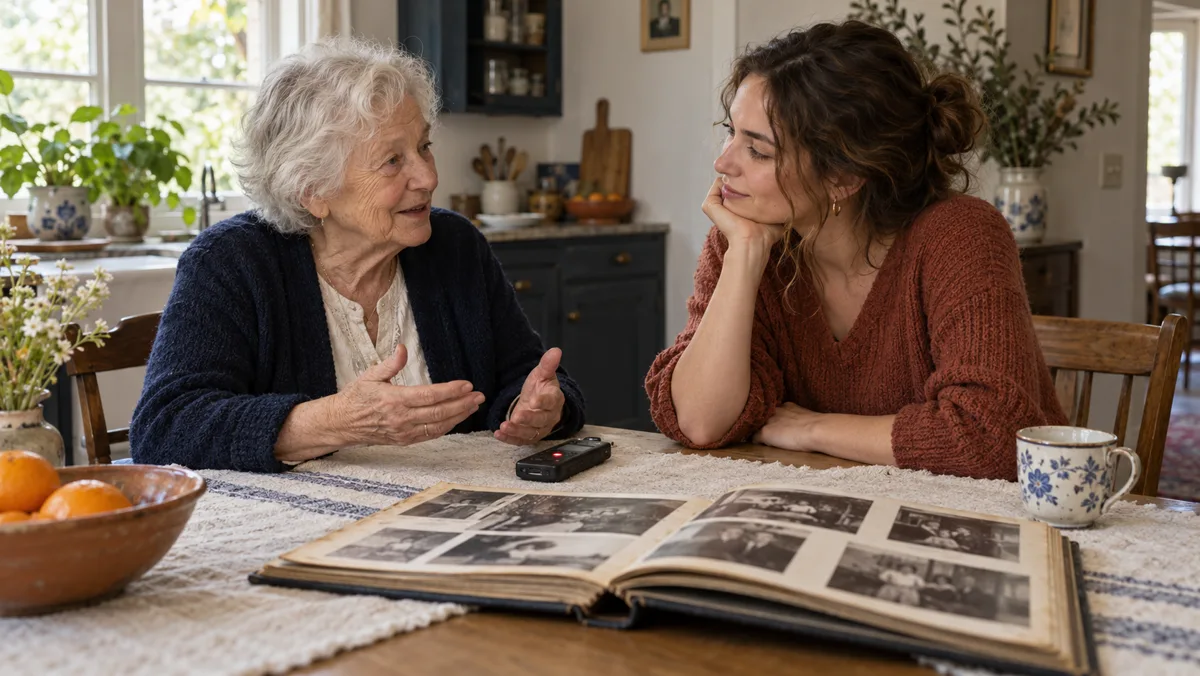
A reunion does not need a large venue or a perfect programme. Start with a small gathering that people can accept or decline comfortably. The aim is a shared present-day experience, not a test of who remembers the past best or has achieved the most since.
Agree on a modest purpose
A short catch-up may work better than a whole-day event. Ask a few people whether the idea interests them before booking anything. Avoid surprise invitations that reveal someone's contact details or pressure them to meet a person they have chosen to avoid.

Choose a place people can use
Consider transport, accessibility, noise, seating and an easy way to leave. Give a clear public meeting point without publishing participants' home addresses. Offer a remote greeting where practical, but do not promise an arrangement you cannot provide.
Make the invitation complete
Include the date, time zone where relevant, likely duration, cost and response method. Explain whether guests are welcome. Invite rather than chase; avoid adding people to a group that exposes their telephone numbers without permission.

The idea in 24 seconds
Original silent video with Arabic text. An English summary is available below; optional English subtitles can be enabled in the player's caption menu.
Read the video summary in English
- Keep it small — Choose a comfortable purpose.
- Share the details — Make time and cost clear.
- Ask permission — Attendance is not photo consent.
- Follow up gently — Leave the next meeting optional.
Keep memories and photographs voluntary
Let participants share as much or as little as they wish. Do not rank careers, families or personal histories. Ask about photographing and sharing separately: agreement to attend is not consent to a public album.
Follow up lightly
Thank people without publishing an attendance list. Ask before distributing contact details or photographs. A future meeting should be another invitation, not an automatic obligation. Small habits between gatherings can keep the connection comfortable.

A practical reunion outline
| Decision | Clarify | Avoid |
|---|---|---|
| Venue | Access, noise and transport | Assuming everyone can travel |
| Cost | What each person may pay | Surprise charges |
| Photographs | Who may take and receive them | A public album by default |
Before you start: a checklist
- Confirm interest first.
- State the cost.
- Consider access needs.
- Keep contact details private.
- Ask before sharing photos.
Questions and answers
Do we need a large group?
No. A small meeting can be easier to arrange and more comfortable.
Can I add everyone to a chat?
Ask first, especially if the group exposes phone numbers or membership to others.
Does attendance mean photo consent?
No. Ask about taking photographs and about the audience for sharing them.
What if someone declines?
Accept the decision without demanding an explanation or asking others to persuade them.
Sources and further reading
These primary sources support specific points or offer further reading. Examples and templates are original editorial material, not quotations from these institutions.
- eSafety — Consent to sharing photos and videos
Source in English
- Library of Congress — Preserving family stories
Source in English
Editorial material prepared with digital assistance. Images are illustrative, including digitally generated scenes; they are not documented tracing cases, testimonials or geographic evidence. The video is an original summary with no third-party footage.