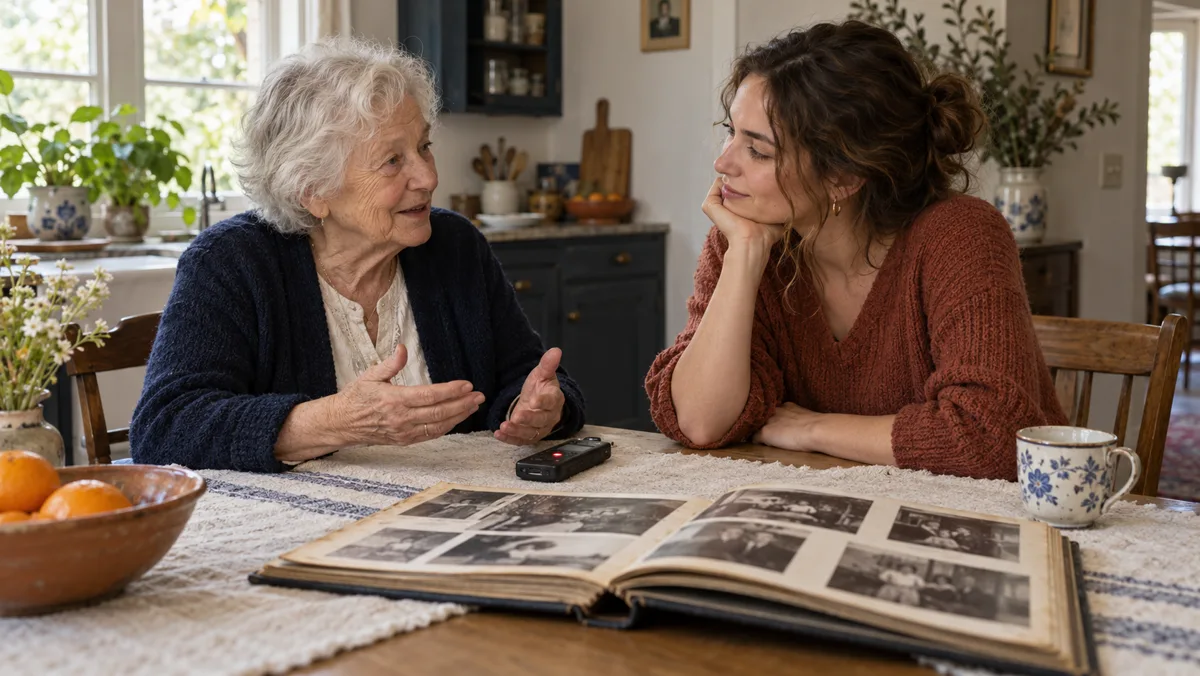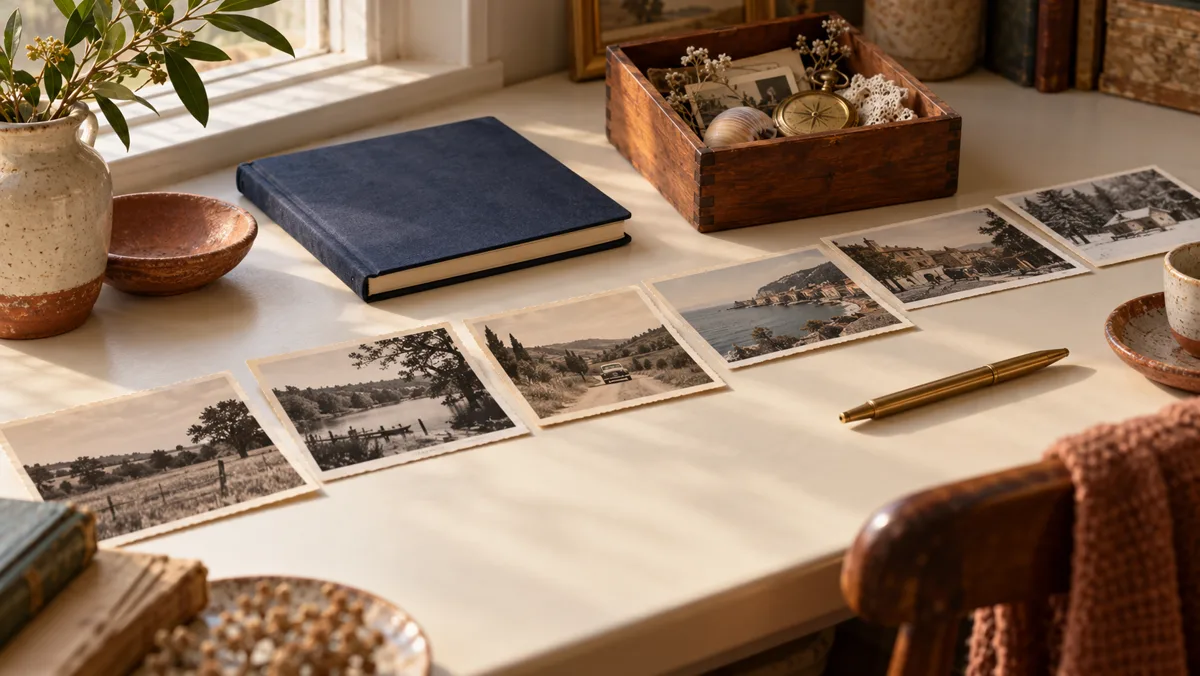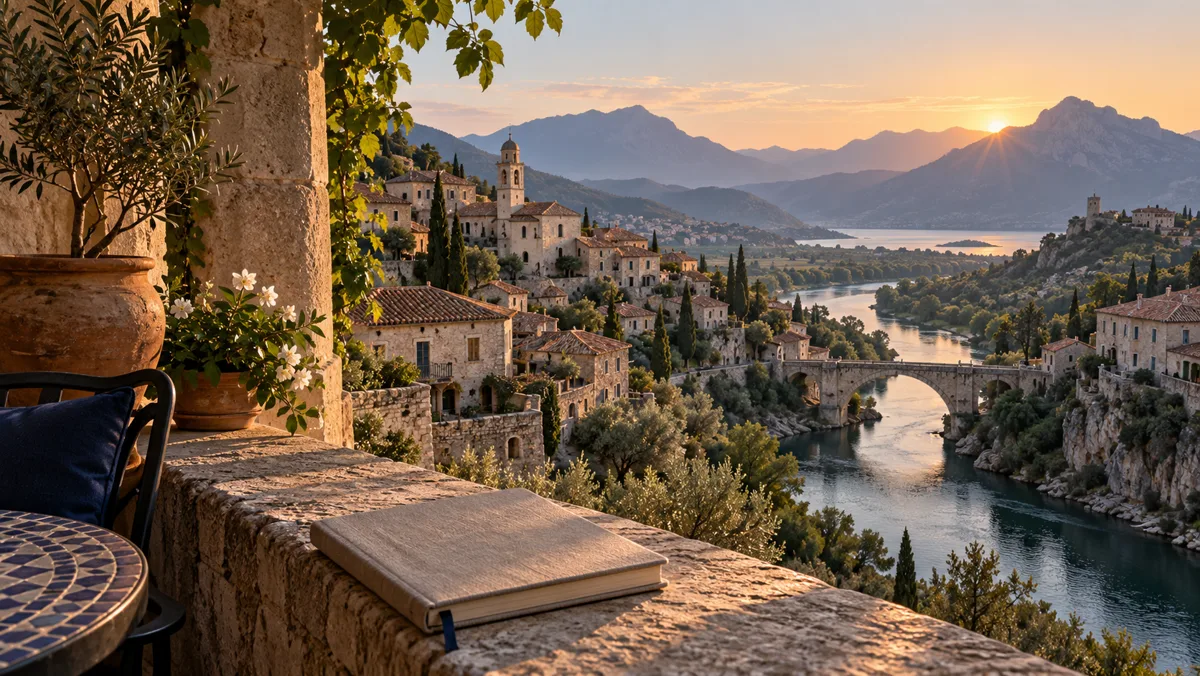
A family may remember a village by a former name, a local pronunciation or a nearby landmark. A current map may use different spelling or boundaries. Keep these possibilities open while building a dated record of the place rather than choosing the first familiar result.
Start with the name you were given
Write it exactly as remembered, including the language and who supplied it. Add approximate dates and nearby rivers, roads or towns. Do not replace the original version when you find a newer spelling; keep both with their sources.
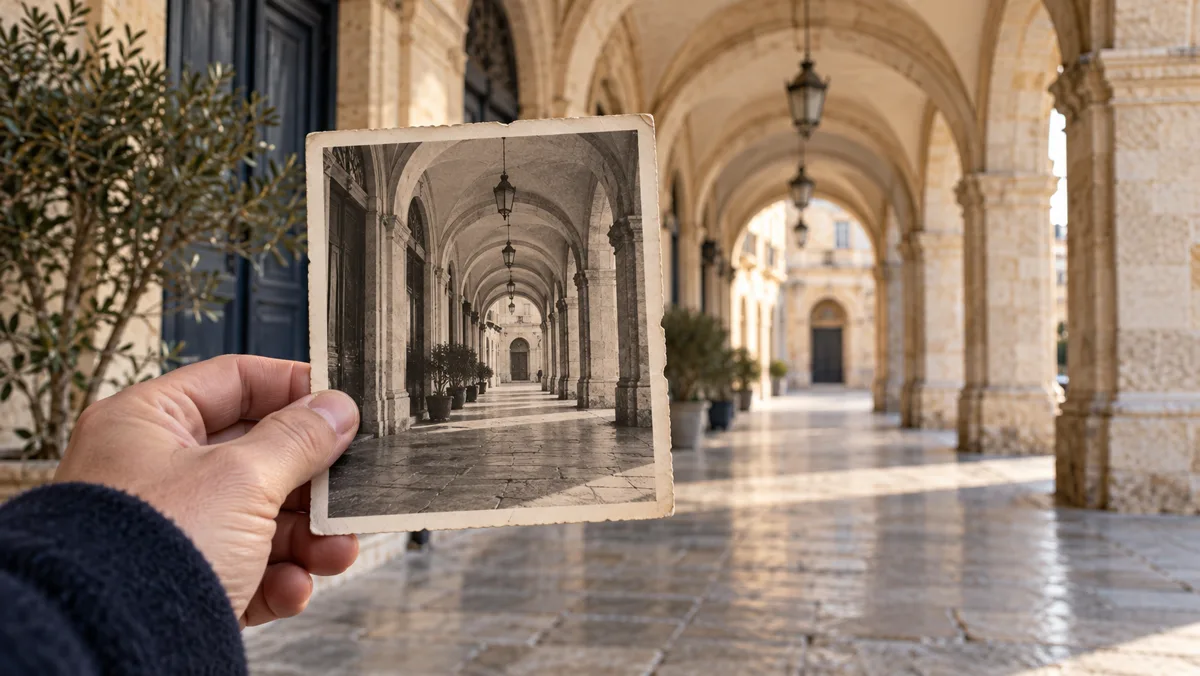
Distinguish spelling from a different place
Transliteration, local pronunciation and administrative renaming can produce several forms. Identical names can also refer to different places. Check the surrounding geography before treating two entries as equivalent. Record a hypothesis rather than quietly merging uncertain names.
Compare maps from different periods
A road, district or municipal boundary can change while the wider location remains. USGS historical mapping illustrates this approach in the United States. Record map dates and coverage; do not assume the service covers every country.
The idea in 24 seconds
Original silent video with Arabic text. An English summary is available below; optional English subtitles can be enabled in the player's caption menu.
Read the video summary in English
- Save the old name — Keep its original wording.
- Add a time period — Names and boundaries change.
- Compare surroundings — Use more than a spelling match.
- Keep both versions — Record sources and uncertainty.
Use naming records carefully
The US Geographic Names Information System includes official and variant names within its American scope. For another country, look for the relevant public mapping or archival institution. A database entry should be read with its stated jurisdiction and date.
Bring the findings back to the memory
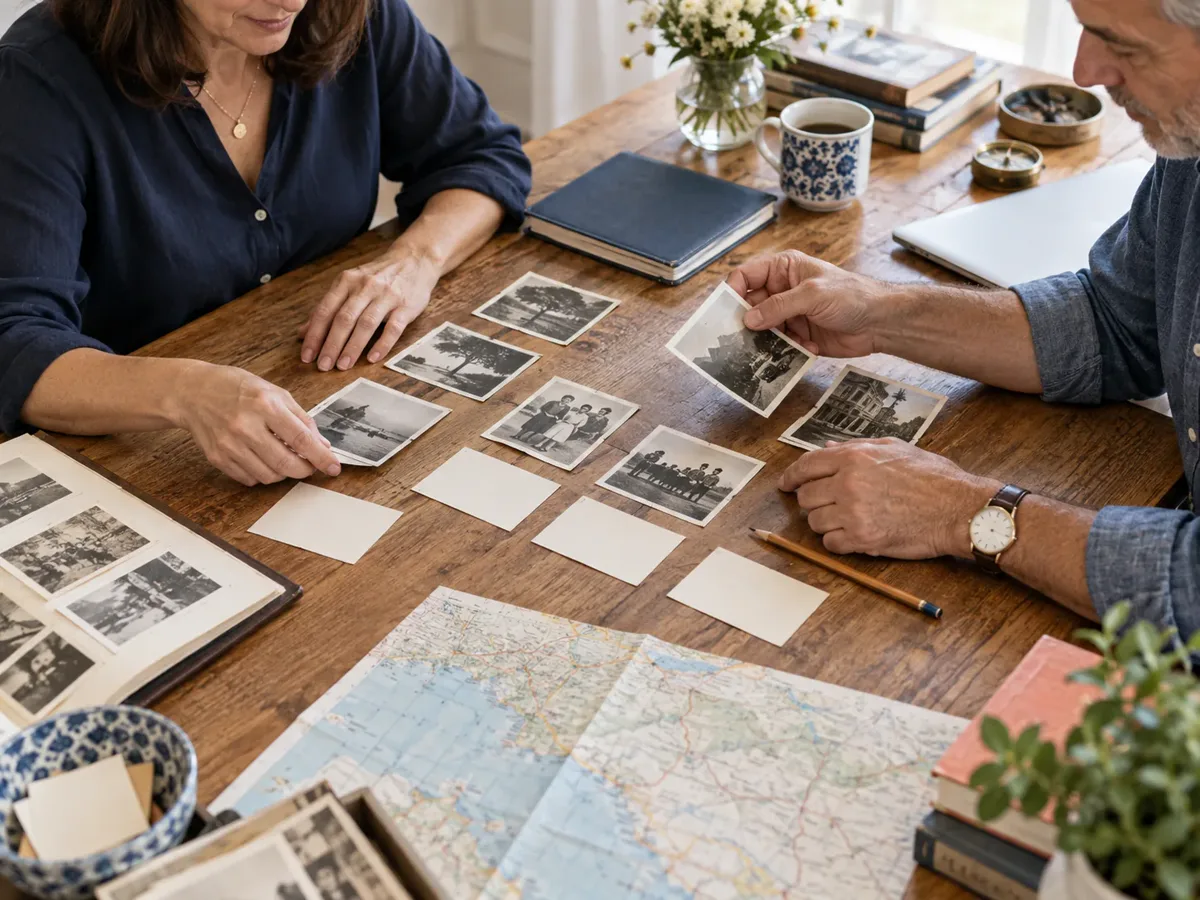
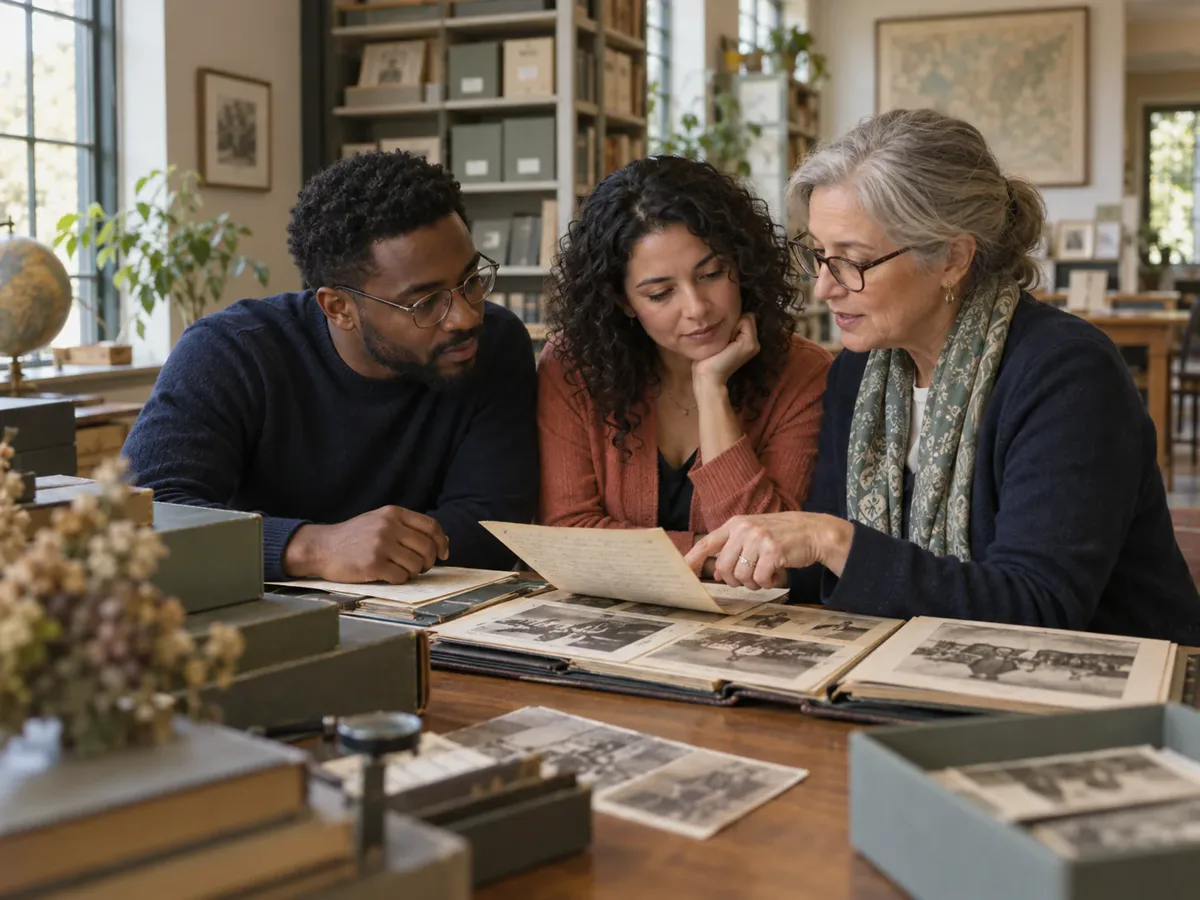
Explain which parts fit and which remain uncertain. A remembered journey may join several places or periods. Photographic clues can help compare the setting, while a family interview may clarify the speaker's own experience without forcing certainty.
Build a name record
| Record | Example type | Keep with it |
|---|---|---|
| Remembered name | A local pronunciation | Speaker and approximate period |
| Mapped name | A name on a dated sheet | Map date and publisher |
| Possible variant | An alternate spelling | Reason for the proposed connection |
Before you start: a checklist
- Save the original spelling.
- Record the language.
- Add the period.
- Check neighbouring features.
- Distinguish a match from a hypothesis.
Questions and answers
Why is the old name missing from today's map?
It may have changed, been transliterated differently or never been an official map label. Check dated sources.
Are two identical names the same place?
Not necessarily. Use surrounding geography and dates to distinguish them.
Does GNIS cover the whole world?
No. Its scope is American. Other countries require suitable local sources.
Can a place identify a family member?
No. Geographic context cannot by itself establish a person's identity or justify sharing private records.
Sources and further reading
These primary sources support specific points or offer further reading. Examples and templates are original editorial material, not quotations from these institutions.
- USGS — Historical maps at your fingertips
Source in English
- USGS — Geographic Names Information System
Source in English
- US National Archives — Document analysis worksheets
Source in English
Editorial material prepared with digital assistance. Images are illustrative, including digitally generated scenes; they are not documented tracing cases, testimonials or geographic evidence. The video is an original summary with no third-party footage.